Dendritic Cell Priming of CD8+ T Cells Identified as Driver of Tau-Mediated Neuroloss
Researchers identify a critical immune axis between peripheral dendritic cells and central T cells that accelerates neurodegeneration in tauopathy models.
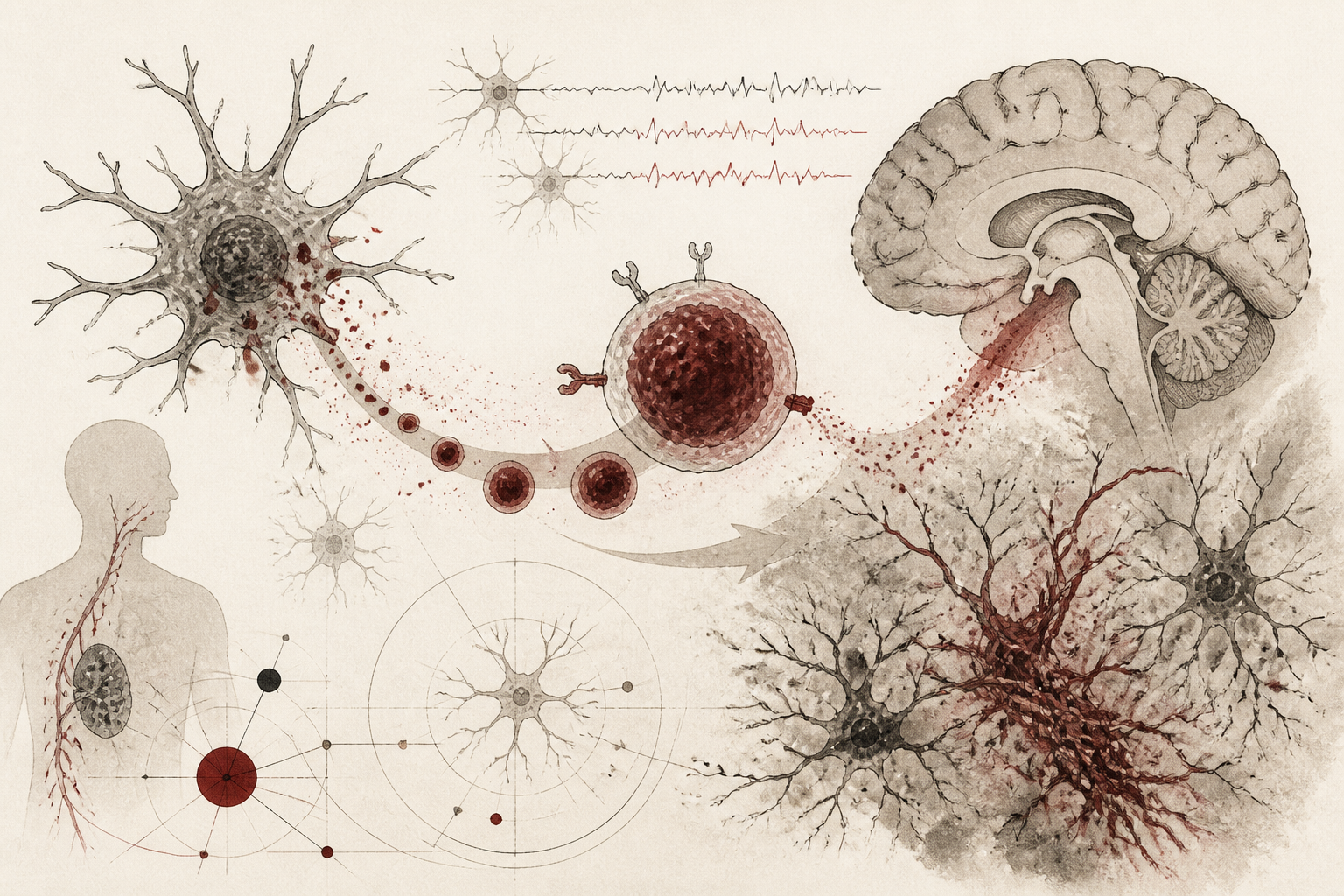
In the evolving landscape of neurodegenerative research, the relationship between the immune system and the aging brain has emerged as a central pillar for understanding conditions like Alzheimer’s disease and other tauopathies. While the accumulation of misfolded tau proteins has long been recognized as a hallmark of neuronal death, the specific mechanisms by which the body’s adaptive immune response interacts with these internal stressors have remained partially obscured. Recent findings published in *Nature Neuroscience* have shed significant light on this intersection, revealing that the priming of CD8+ T cells by peripheral dendritic cells plays a definitive role in exacerbating tau-mediated neurodegeneration. This discovery suggests that the brain’s decline is not merely an isolated cellular failure but a systemic process influenced by immune signaling pathways originating outside the central nervous system.
The Immune Interface in Neurodegenerative Pathology
For decades, the central nervous system was considered an immune-privileged site, largely sequestered from the broader activities of the peripheral immune system by the blood-brain barrier. However, contemporary neuroscience has dismantled this view, demonstrating that immune cells frequently traverse these boundaries in response to injury or chronic pathology. In the context of tauopathies, the aggregation of tau protein triggers an inflammatory environment. The study published in *Nature Neuroscience* investigates how this environment recruits CD8+ T cells, often referred to as killer T cells, to the brain. While these cells are essential for fighting viral infections and clearing malignancies, their presence in the neurodegenerative brain appears to be maladaptive. The researchers focused on the catalysts that activate these T cells, pinpointing a specific class of antigen-presenting cells known as dendritic cells. By examining the communication between these two cell types, the study identifies a novel pathway through which the immune system inadvertently accelerates the destruction of neurons already burdened by tau pathology.
Mechanisms of Dendritic Cell and T Cell Recruitment
The fundamental findings of the research highlight a complex signaling cascade that begins with the presence of tau aggregates. As neurons begin to show signs of stress and dysfunction, they release molecular signals that are picked up by dendritic cells. According to the data presented in the study, these dendritic cells serve as the primary educators of the immune system. They capture antigens—in this case, related to the neurodegenerative process—and present them to CD8+ T cells in a process known as priming. This priming occurs in the periphery, such as the cervical lymph nodes, before the activated T cells migrate into the brain parenchyma. The researchers observed that in models of tauopathy, there was a significant increase in the infiltration of these primed CD8+ T cells. Once inside the brain, these cells do not act as passive observers. Instead, they interact with microglia and neurons, releasing pro-inflammatory cytokines and cytotoxic molecules that worsen the loss of brain volume and cognitive function. The study successfully demonstrated that by interrupting this priming process, the severity of neurodegeneration could be significantly attenuated, suggesting that the T cells are not just a symptom of the disease but a primary driver of its progression.
Methodological Approaches and Cellular Mapping
To reach these conclusions, the research team employed a rigorous combination of single-cell RNA sequencing, flow cytometry, and advanced imaging techniques. By analyzing the transcriptomic profiles of immune cells in tauopathy mouse models, the investigators were able to map the specific lineages of dendritic cells responsible for T cell activation. They identified that conventional dendritic cells (cDCs) were the specific subpopulation facilitating this harmful immune response. The team utilized loss-of-function experiments to validate their findings, selectively depleting dendritic cells or blocking their migration to lymph nodes. These interventions resulted in a measurable reduction in the number of activated CD8+ T cells within the brain. Furthermore, the researchers utilized human tissue samples to correlate their findings in animal models with human pathology. The presence of similar immune cell signatures in the brains of patients with Alzheimer’s disease reinforced the clinical relevance of their observations. This multi-modal approach ensured that the identified mechanism was not an artifact of a specific model but a robust biological process consistent across different stages of neurodegeneration.
Interpretations of the Neuro-Immune Axis
The interpretation of these results marks a significant shift in how we conceptualize the progression of Alzheimer’s and related dementias. If the priming of T cells by dendritic cells is a prerequisite for accelerated neurodegeneration, it implies that the immune system's attempt to respond to proteinopathy is fundamentally flawed in the aging brain. Rather than clearing the debris, the immune response creates a feedback loop of inflammation that leads to collateral damage. This suggests that the 'threshold' for neurodegeneration is reached when the brain’s internal stress signals become visible to the peripheral immune system. The study indicates that the CD8+ T cells are specifically targeting or being attracted to areas of high tau density, where they exacerbate the local inflammatory environment. This adds a layer of complexity to the 'amyloid cascade hypothesis' and 'tau hypothesis,' suggesting that the rate of decline is governed by the intensity of the adaptive immune response rather than just the quantity of protein aggregates themselves.
Limitations and Future Research Directions
Despite the clarity of these findings, several limitations remain that warrant further investigation. Firstly, while the study establishes a clear link between dendritic cell priming and T cell infiltration, the exact antigens being presented by the dendritic cells remain to be fully characterized. It is not yet certain whether the T cells are responding to the tau protein itself or to other markers of cellular distress released by dying neurons. Additionally, the transition from mouse models to human clinical trials involves significant hurdles, as the human immune system is vastly more complex and influenced by a lifetime of environmental exposures. Future research must also explore the timing of this immune activation. It remains unclear at what precise stage of the disease the peripheral immune system becomes involved. Identifying this window is crucial for developing preventative strategies. Another open question involves the role of other immune cells, such as B cells or CD4+ helper T cells, and how they might modulate the aggressive behavior of the CD8+ T cells identified in this study.
Clinical Implications and Broad Significance
The significance of this research lies in its potential to redefine therapeutic targets for neurodegenerative diseases. Current treatments largely focus on clearing protein aggregates or managing symptoms, with limited success in halting disease progression. By identifying the dendritic cell-T cell axis as a critical driver of damage, this study opens the door for immunomodulatory therapies. Instead of broad immunosuppression, which could leave patients vulnerable to infections, clinicians might one day be able to target the specific priming mechanisms that lead to neurotoxic T cell activation. This could involve small-molecule inhibitors that block the interaction between dendritic cells and CD8+ T cells or therapies that prevent dendritic cell migration to the lymph nodes. As we move toward a more integrated understanding of neurology and immunology, this study serves as a vital bridge, highlighting that the path to protecting the brain may very well lie in managing the signals it sends to the rest of the body.
Quick answers
- How do dendritic cells contribute to Alzheimer's disease progression?
- Dendritic cells act as messengers that 'prime' or activate CD8+ T cells in the peripheral immune system. These activated T cells then migrate to the brain, where they exacerbate inflammation and accelerate the loss of neurons associated with tau protein buildup.
- What was the main finding of the Nature Neuroscience study on tau-mediated neurodegeneration?
- The study found that the immune system's CD8+ T cells are a major driver of brain volume loss in tauopathy, and their destructive activity is dependent on being first activated by peripheral dendritic cells.
- Can blocking the immune system help treat neurodegenerative diseases?
- The research suggests that specifically targeting the 'priming' pathway between dendritic cells and T cells could reduce neurodegeneration, offering a more precise therapeutic target than general immunosuppression.
Rewritten by Zeit editorial AI. Based on original reporting at Nature Neuroscience.