Broad Study Links ADHD with Significant Gastrointestinal Dysfunction in Large Population
A large-scale analysis of 1.9 million individuals reveals that ADHD is associated with significantly higher rates of digestive disorders, including IBS and chronic constipation.
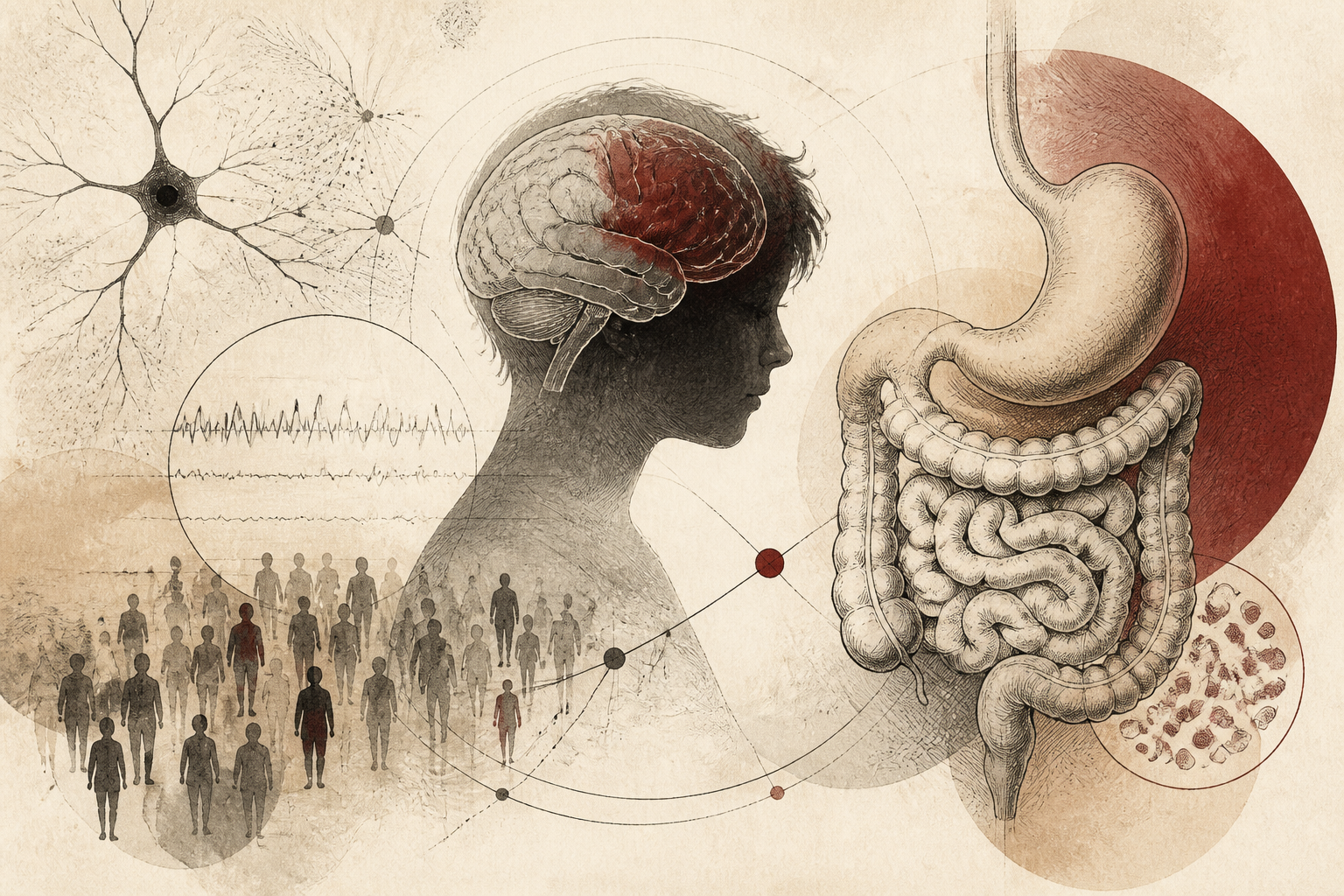
Recent epidemiological research has uncovered a profound correlation between Attention-Deficit/Hyperactivity Disorder (ADHD) and a range of gastrointestinal complications, suggesting that the clinical management of neurodevelopmental conditions must increasingly account for somatic health. In a landmark analysis involving over 1.9 million individuals, researchers identified that those diagnosed with ADHD face a substantially elevated risk for digestive pathologies compared to the neurotypical population. This finding, originally reported by ScienceDaily, underscores a growing paradigm in clinical psychology and neurology that views the brain and the gut not as isolated systems, but as an integrated axis where dysfunction in one often manifests as morbidity in the other.
The scale of this investigation provides a level of statistical power rarely seen in neurodevelopmental research. By aggregating data from a massive cohort, the study identifies clear patterns that move beyond anecdotal clinical observations. The core findings indicate that the presence of ADHD is not merely a cognitive or behavioral concern but is frequently accompanied by physiological disruptions in the digestive tract. Specifically, the data reveals that individuals with ADHD have nearly double the odds of suffering from chronic constipation and a 58 percent higher likelihood of experiencing Irritable Bowel Syndrome (IBS) compared to those without the condition. Perhaps most striking is the finding regarding encopresis—a condition involving involuntary fecal soiling—where the odds for those with ADHD were more than four times higher than their peers. These statistics represent a significant shift in how researchers understand the comorbidity profile of ADHD, demanding a closer look at the biological and environmental factors that tie the central nervous system to the enteric nervous system.
The Physiological Intersection of Brain and Gut
To understand why a neurodevelopmental disorder would correlate so strongly with digestive distress, it is necessary to examine the underlying mechanisms of the gut-brain axis. The bidirectional communication between the central nervous system and the gastrointestinal tract is mediated by the vagus nerve, the immune system, and a complex array of neurotransmitters. Interestingly, many of the chemicals responsible for signal transmission in the brain, such as dopamine and serotonin, are also synthesized or regulated within the gut. In individuals with ADHD, disruptions in dopamine signaling are a hallmark of the condition. Because dopamine also plays a role in gastrointestinal motility—the process by which food moves through the digestive tract—it is biologically plausible that the same neurochemical imbalances affecting focus and impulse control also contribute to issues like constipation or irregular bowel habits.
Beyond direct neurochemical links, the behavioral manifestations of ADHD may exacerbate these physical symptoms. Executive dysfunction, which characterizes the disorder, often leads to difficulties in maintaining regular dietary habits, adequate hydration, and consistent bathroom routines. For younger populations, the impulsivity and distractibility inherent in ADHD may lead to the suppression of physiological urges to use the restroom, a behavior that can eventually lead to chronic constipation and the development of encopresis. The study suggests that the relationship is likely multifactorial, involving a combination of shared genetic predispositions, neurological signaling commonalities, and secondary behavioral influences that together create a heightened state of gastrointestinal vulnerability.
Methodological Scope and Statistical Significance
The methodology employed in this research relied on the analysis of a vast dataset encompassing 1.9 million people, allowing for a granular look at how these comorbidities manifest across various demographics. By utilizing such a large sample size, the researchers were able to control for numerous variables, ensuring that the link between ADHD and digestive problems remained robust. The use of large-scale epidemiological data is critical in identifying associations that might be obscured in smaller clinical trials. For instance, while the link to IBS has been explored in smaller studies, the overwhelming evidence of a four-fold increase in encopresis risk provides a definitive marker for clinicians to monitor.
The study’s findings on IBS are particularly noteworthy given that IBS is often considered a functional disorder, frequently exacerbated by stress and autonomic nervous system dysregulation. Since individuals with ADHD often experience higher levels of psychological stress and sensory processing sensitivities, the 58 percent increase in IBS prevalence points toward a systemic sensitivity that affects both the mind and the internal organs. This data provides a mandate for a more holistic diagnostic approach, where a patient presenting with chronic digestive complaints might be screened for underlying neurodevelopmental issues, and vice versa.
Limitations and Future Directions in Research
While the correlation identified in this 1.9 million-person study is statistically significant, it is important to note the inherent limitations of epidemiological data. Association does not strictly imply causation; the study identifies that these conditions frequently occur together, but it does not definitively prove that ADHD causes gastrointestinal issues or that gut dysfunction leads to ADHD. There remains the possibility of a third variable, such as a specific genetic marker or an environmental factor during early development, that predisposes an individual to both conditions simultaneously. Furthermore, while the study accounts for a massive population, it may not fully capture the impact of ADHD medications, such as stimulants, which are known to have side effects that can either mask or mimic certain digestive symptoms.
Future research must now pivot toward longitudinal studies that track the development of these symptoms from early childhood through adulthood. Scientists need to investigate whether treating the neurodevelopmental symptoms of ADHD leads to an improvement in gastrointestinal health, or if dietary and probiotic interventions targeted at the gut can mitigate the behavioral symptoms of ADHD. There is also a pressing need to explore the role of the gut microbiome—the trillions of bacteria living in the digestive tract—which recent science suggests may influence brain health and behavior through the production of neuroactive metabolites. If the microbiome of individuals with ADHD differs significantly from the neurotypical population, it could open new avenues for therapeutic interventions that go beyond traditional stimulant medications.
Implications for Clinical Practice and Patient Care
The practical implications of this research for the medical community are immediate. For pediatricians and child psychologists, the high prevalence of encopresis and constipation in children with ADHD suggests that bowel health should be a standard component of every ADHD assessment. Early intervention in digestive health could prevent the social stigma and psychological distress often associated with conditions like encopresis, thereby improving the overall quality of life for the patient. For adult patients, the link to IBS suggests that chronic abdominal pain and irregularity should be managed with an awareness of the patient's neurological profile.
Ultimately, this study serves as a powerful reminder that the human body functions as a unified whole. The traditional silos of medicine—where neurology, psychiatry, and gastroenterology operate independently—are increasingly being challenged by evidence of systemic interconnection. By recognizing the striking link between ADHD and gut problems, the scientific community moves one step closer to a more integrated, effective, and empathetic model of healthcare. As we continue to decode the complexities of the gut-brain axis, the goal remains clear: to treat the person, not just the symptom, by addressing the hidden physiological burdens that often accompany neurodevelopmental diversity.
Quick answers
- What digestive issues are most commonly linked to ADHD?
- According to the study, ADHD is linked to nearly double the odds of constipation, a 58% higher risk of Irritable Bowel Syndrome (IBS), and more than four times the risk of encopresis.
- How large was the study connecting ADHD and gut problems?
- The research analyzed data from over 1.9 million people, providing a highly significant statistical look at the comorbidities between these conditions.
- Why might ADHD and digestive problems be related?
- Researchers believe the link may involve the gut-brain axis, specifically shared neurotransmitters like dopamine, as well as behavioral factors like executive dysfunction affecting routine habits.
Rewritten by Zeit editorial AI. Based on original reporting at ScienceDaily — Mind & Brain.