Bioelectronic Innovation: Injectable Neural Modulators for Chronic Pain Management
A wireless, battery-free device the size of a seed offers a minimally invasive alternative to surgery for managing neurological disorders and chronic pain.
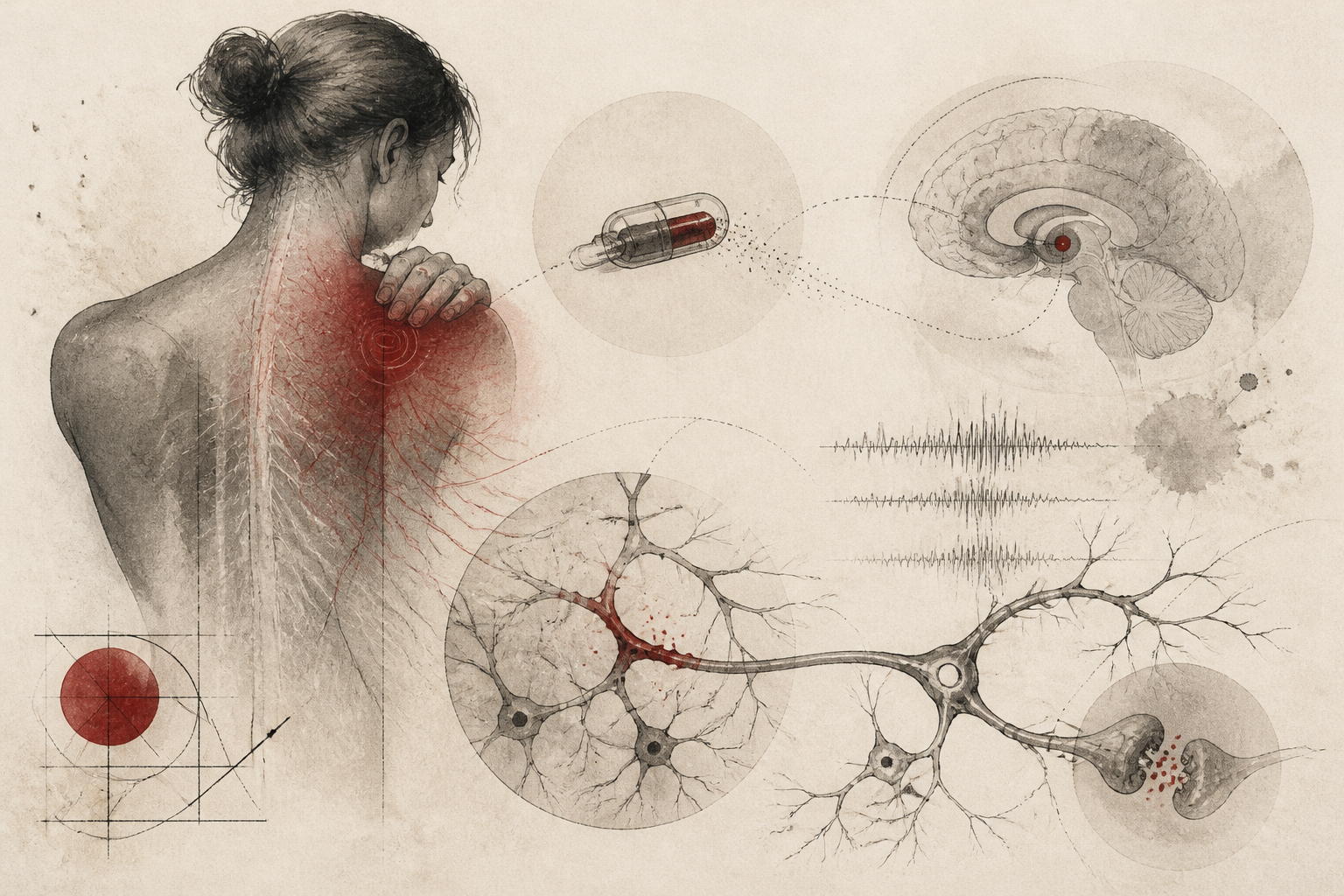
In a significant advancement for the field of bioelectronic medicine, researchers have developed a miniaturized, injectable device capable of modulating nerve activity without the need for traditional surgical implantation or internal power sources. This technological breakthrough, as reported by ScienceDaily, aims to address the growing global burden of chronic pain and movement disorders through a mechanism that is both less invasive and more adaptable than current therapeutic standards. By eliminating the necessity for batteries and wired connections, the device represents a shift toward permanent, yet unobtrusive, neural interfaces that can be deployed via a simple needle injection.
Chronic pain remains one of the most challenging conditions to treat in modern clinical practice, often requiring a complex balance of pharmaceutical interventions and physical therapy. When these methods fail, patients frequently turn to neurostimulation, a process that involves delivering electrical pulses to specific nerves to disrupt pain signals. However, conventional neurostimulators typically involve bulky battery packs and invasive leads that require surgical placement, carrying risks of infection, lead migration, and the eventual need for battery replacement surgeries. The development of this seed-sized technology seeks to bypass these clinical hurdles by providing a wireless alternative that integrates seamlessly with the body's natural physiology.
Wireless Power and Miniature Architecture
The fundamental innovation of this new device lies in its power delivery and scale. Traditional neurostimulation systems are limited by the physical constraints of energy storage; batteries require volume, which in turn necessitates larger implants. The researchers behind this study successfully engineered a system that operates on external wireless power. This allows the internal component to be reduced to the size of a grain of rice, small enough to be loaded into a syringe and injected directly near the target nerve site. Once positioned, the device captures electromagnetic energy from an external transmitter, converting it into precisely controlled electrical pulses that can either stimulate or suppress nerve firing.
This architecture is particularly notable for its lack of moving parts or chemical energy storage. By utilizing advanced materials and circuit designs, the team ensured that the device remains inert when not in use, reducing the likelihood of tissue irritation or long-term biocompatibility issues. The wireless nature of the system also means that clinicians can adjust the parameters of the treatment—such as frequency, intensity, and duration of the pulse—remotely, allowing for a personalized approach to pain management that can be fine-dated as the patient’s condition evolves.
Experimental Validation and Neurological Efficacy
In early testing phases, the device has demonstrated a high degree of efficacy in controlling nerve activity. According to the findings detailed in the ScienceDaily report, the researchers were able to show that the injectable technology could successfully modulate signals in peripheral nerves, which are often the source of chronic pain or the conduits for dysfunctional motor commands. By applying specific electrical patterns, the device effectively 'dampened' the transmission of pain information to the brain, mimicking the effect of high-end surgical implants but with a fraction of the procedural risk.
Beyond pain management, the experimental data suggests that the device holds potential for treating movement disorders. In cases such as Parkinson's disease or essential tremor, where irregular nerve firing causes debilitating physical symptoms, the ability to regulate neural cadence through a minimally invasive injection could provide a new line of defense. The preliminary trials focused on the stability of the device within the tissue, ensuring that it did not migrate from its intended location after injection. The results indicated that the device remained anchored near the target nerve, maintaining its functional integrity and responsiveness to external power sources over the observation period.
Mechanisms of Neural Control
The mechanism of action relies on the principle of neuromodulation, a well-established concept in neuroscience where electrical or chemical agents are used to alter nerve activity. The specific achievement here is the miniaturization of the hardware required to perform this task. When the external transmitter is activated, it creates a localized electromagnetic field that the injectable device harvests. This energy is then channeled through micro-electrodes that sit in close proximity to the nerve fibers.
Because the device is so small, it can be placed with higher precision than larger leads. This proximity allows for lower energy thresholds to achieve the desired effect, which reduces the risk of 'off-target' stimulation—a common side effect where nearby nerves or muscles are unintentionally activated, causing discomfort or twitching. The ability to precisely target the nerve at the site of the injection ensures that the therapeutic effect is localized, providing a targeted 'electronic blockade' against pain signals while leaving surrounding sensory and motor functions intact.
Limitations and Future Directions
While the early results are highly promising, several questions remain before this technology can transition to widespread clinical use. One primary limitation is the current range of the wireless power transmission. As it stands, the external power source must be kept in relatively close proximity to the injection site. For patients with deep-seated nerve issues, developing transmitters that can efficiently penetrate deeper tissues without causing heat buildup or interference is a critical next step. Furthermore, while the device is designed to be permanent, long-term studies are necessary to evaluate the body’s foreign-body response over years rather than months. The formation of scar tissue, or fibrosis, around the electrodes could potentially insulate the device and reduce its effectiveness over time.
Another open question involves the scalability of the manufacturing process. Producing complex electronics at this microscopic scale requires specialized facilities and materials, which may impact the initial cost and accessibility of the treatment. Researchers also need to investigate how the device performs under varying physiological conditions, such as during intense physical activity or in patients with different body compositions, to ensure that the wireless link remains stable and the stimulation remains consistent.
Clinical Significance for Modern Medicine
The implications of a wireless, injectable nerve controller extend far beyond the technical achievement of miniaturization. In the context of the global opioid crisis, having a non-pharmacological, minimally invasive option for chronic pain could save lives by reducing the reliance on addictive painkillers. If a patient can receive a simple injection that provides long-term pain relief without the systemic side effects of medication or the recovery time of surgery, the barrier to effective treatment is significantly lowered.
Moreover, this technology represents a milestone in the convergence of electronics and biology. It paves the way for a future where 'electroceuticals'—devices that treat disease through electrical impulses—are as common as pills. By providing a platform that is battery-free and easy to deploy, this research brings us closer to a reality where neurological and chronic conditions are managed with the same ease as a standard vaccination, potentially transforming the quality of life for millions of individuals worldwide.
Quick answers
- How does the new injectable nerve device work without a battery?
- The device uses wireless power harvesting to capture electromagnetic energy from an external transmitter, converting it into electrical pulses to modulate nerve activity.
- What are the benefits of an injectable neurostimulator over traditional implants?
- It eliminates the need for invasive surgery, reduces infection risks associated with wired leads, and removes the necessity for future battery replacement procedures.
- Can this device treat conditions other than chronic pain?
- Yes, preliminary testing suggests it could be used for movement disorders like Parkinson's or tremors by regulating irregular nerve signals.
Rewritten by Zeit editorial AI. Based on original reporting at ScienceDaily — Mind & Brain.