Artificial Sweetener Consumption Linked to Accelerated Cognitive Aging in New Study
Recent research involving 13,000 adults suggests high intake of six common sugar substitutes may lead to a 62% faster decline in executive function and memory.
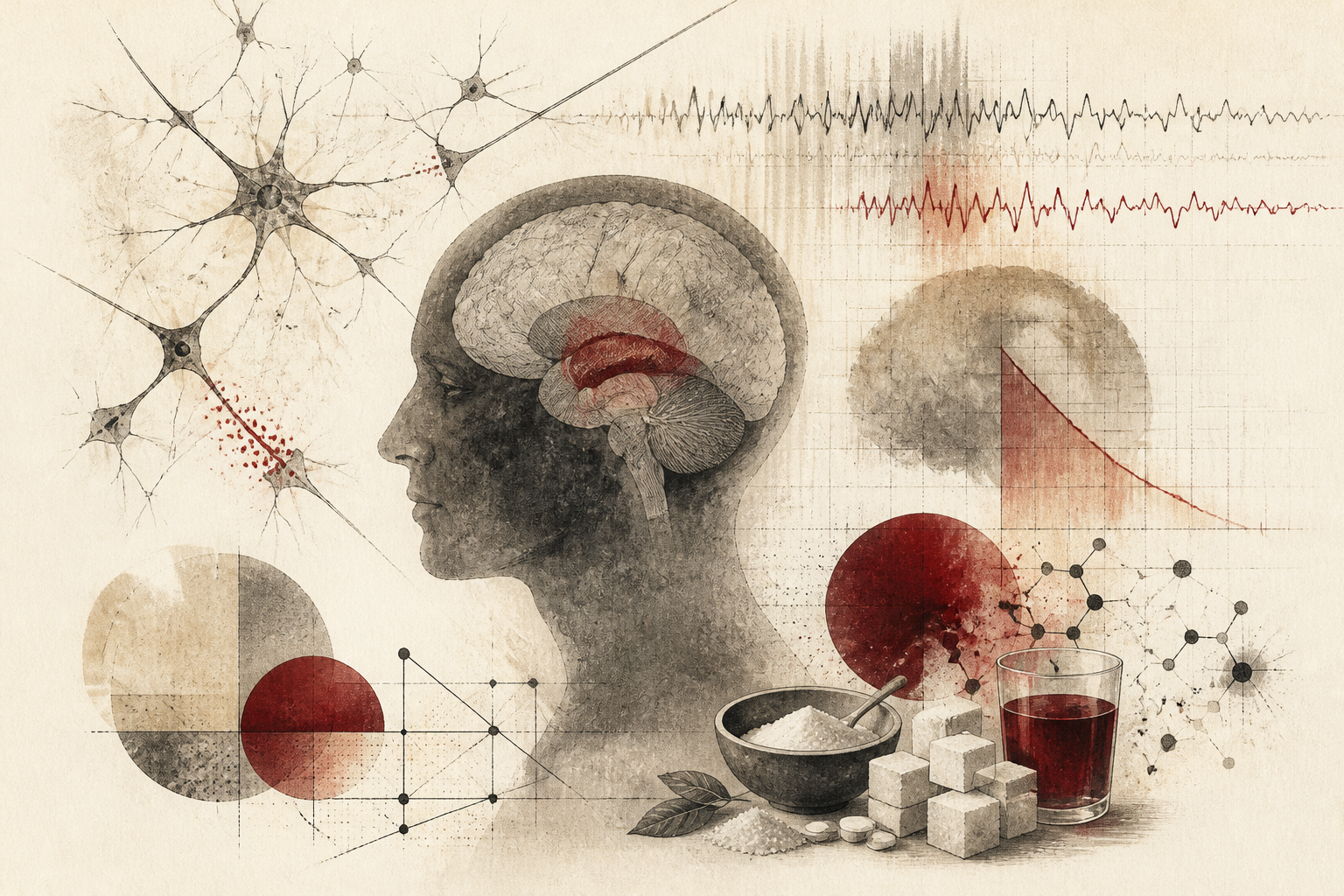
The global shift toward sugar reduction has led to the widespread adoption of non-nutritive sweeteners in everything from diet sodas to processed snacks. While these substitutes are often marketed as healthier alternatives for weight management and glycemic control, new evidence suggests a potential cost to long-term neurological health. According to a significant study published via ScienceDaily, researchers have identified a troubling correlation between the high consumption of six popular artificial sweeteners and an accelerated rate of cognitive decline. The findings, derived from a longitudinal analysis of nearly 13,000 adults, indicate that those who consumed the highest quantities of these substitutes experienced a 62% faster decline in memory and thinking skills compared to those with minimal intake. This rate of deterioration is estimated to be equivalent to an additional 1.6 years of brain aging, raising critical questions about the neurobiological impact of chemical additives in the modern diet.
The Scope of the Study and Statistical Findings
The study utilized a robust dataset comprising approximately 13,000 participants to track the relationship between dietary habits and mental acuity over an extended period. Researchers focused on six specific, widely used artificial sweeteners, though the specific chemical names were not isolated in the initial report, they represent the most common variants found in the global food supply. By employing standardized cognitive testing to measure memory, processing speed, and executive function, the research team was able to quantify the rate of decline relative to the frequency and volume of sweetener consumption.
The data revealed a dose-response relationship, where the most frequent users of these sugar substitutes exhibited the most pronounced neurological deficits. A 62% increase in the speed of cognitive aging represents a significant clinical threshold. To put this in perspective for the general public, the researchers noted that the high-consumption group effectively aged their brains by an extra 1.6 years beyond what would be expected through natural chronological aging alone. This suggests that while sugar substitutes may alleviate the caloric burden associated with traditional sweeteners, they may introduce distinct physiological stressors that target the central nervous system.
Potential Biological Mechanisms and Research Methodology
Determining the precise mechanism by which these chemical compounds influence the brain remains a primary challenge for researchers. The methodology of the study involved long-term observation and dietary self-reporting, coupled with periodic neurocognitive assessments. While the study effectively established a link, the underlying cause-and-effect relationship remains a subject of ongoing debate in the fields of nutritional neuroscience and biochemistry. Several hypotheses are currently being explored to explain how these substitutes might accelerate brain aging. One prominent theory involves the gut-brain axis; artificial sweeteners have been shown in previous studies to alter the composition of gut microbiota, which in turn can influence systemic inflammation and brain health.
Another possibility is that these substances interfere with the brain's natural metabolic signaling. Although they contain no calories, the sweet taste triggers certain hormonal responses that may, over time, desensitize insulin receptors or disrupt glucose metabolism in the brain. Since the brain is an incredibly energy-demanding organ, any disruption to its metabolic efficiency could theoretically manifest as accelerated cognitive decline. Furthermore, some researchers suggest that certain sweetener metabolites might cross the blood-brain barrier, potentially exerting a direct neurotoxic effect or inducing oxidative stress within neural tissues. However, these mechanisms are currently speculative and require further controlled laboratory verification to move beyond correlation.
Interpretation, Limitations, and Academic Caution
It is imperative to interpret these findings with a degree of academic caution. As ScienceDaily notes, while the link between these six sweeteners and faster brain aging is statistically significant, the study did not definitively establish causation. The observational nature of the research means that other confounding factors could be at play. For instance, individuals who consume high amounts of artificial sweeteners might also engage in other dietary or lifestyle behaviors that contribute to cognitive decline. There is also the possibility of "reverse causality," where individuals already experiencing early-stage metabolic or cognitive issues may be more likely to switch to diet products in an attempt to manage their health.
Furthermore, the study relies on the participants' ability to accurately report their consumption habits over time. Dietary recall is famously prone to error and bias, which can complicate the data. The researchers also pointed out that the 1.6-year aging metric is a population-level average; individual responses to artificial sweeteners vary significantly based on genetics, baseline health, and the overall quality of the diet. Despite these limitations, the sheer scale of the study—involving 13,000 individuals—provides a high level of statistical power that cannot be easily dismissed. The consistency of the decline across different cognitive domains suggests a systemic rather than localized impact on the brain.
Implications for Public Health and Future Inquiry
The findings of this study have profound implications for public health policy and individual dietary choices. For decades, the narrative surrounding artificial sweeteners has focused almost exclusively on their safety regarding cancer and acute toxicity. This new research shifts the conversation toward long-term functional health and the preservation of the aging brain. If common substitutes are indeed contributing to a faster decline in mental faculty, the widespread recommendation of "diet" products as a default alternative to sugar may need to be reevaluated.
Future research must prioritize clinical trials that can isolate the effects of specific sweeteners under controlled conditions. It is also essential to investigate whether the observed cognitive decline is reversible upon the cessation of sweetener use. For now, the scientific community is left with a compelling warning: the quest to reduce sugar intake through chemical means may come with unforeseen costs to the most complex organ in the human body. As the global population continues to age, understanding and mitigating the factors that accelerate cognitive decline remains one of the most pressing challenges of the twenty-first century. This study serves as a critical milestone in that journey, prompting both consumers and clinicians to look more closely at the ingredients that have become staples of the modern diet.
Quick answers
- Which artificial sweeteners were linked to brain aging?
- The study identified six popular artificial sweeteners linked to cognitive decline, though the specific chemical names were not listed in the initial ScienceDaily report. These generally include the most common substitutes found in diet sodas and processed foods.
- How much faster does the brain age with high sweetener consumption?
- According to the study, high intake of these substitutes is associated with a 62% faster decline in thinking and memory skills, which translates to approximately 1.6 additional years of brain aging.
- Does this study prove that sweeteners cause memory loss?
- No, the study established a strong correlation but did not prove causation. While the link is significant, other factors like overall lifestyle or reverse causality could contribute to the results.
Rewritten by Zeit editorial AI. Based on original reporting at ScienceDaily — Mind & Brain.